Zodiac Signs 101: Dates, Elements & Meanings
When most people say “zodiac sign,” they mean their sun sign, the zodiac sign the sun occupied when they were born. Below, you can find the approximate dates, element, modality, and a concise meaning for every sign, along with simple explanations of compatibility and the sun, moon, and rising signs.
Zodiac Signs and Dates at a Glance
The following dates refer to the tropical zodiac commonly used in Western astrology.
| Sign | Approximate dates | Element | Modality |
|---|---|---|---|
| Aries | March 21–April 19 | Fire | Cardinal |
| Taurus | April 20–May 20 | Earth | Fixed |
| Gemini | May 21–June 20 | Air | Mutable |
| Cancer | June 21–July 22 | Water | Cardinal |
| Leo | July 23–August 22 | Fire | Fixed |
| Virgo | August 23–September 22 | Earth | Mutable |
| Libra | September 23–October 22 | Air | Cardinal |
| Scorpio | October 23–November 21 | Water | Fixed |
| Sagittarius | November 22–December 21 | Fire | Mutable |
| Capricorn | December 22–January 19 | Earth | Cardinal |
| Aquarius | January 20–February 18 | Air | Fixed |
| Pisces | February 19–March 20 | Water | Mutable |
Dates can shift slightly by year, birth time, and location. If you were born near a sign change, confirm your sun sign with a birth-chart calculator.
What Is a Zodiac Sign?
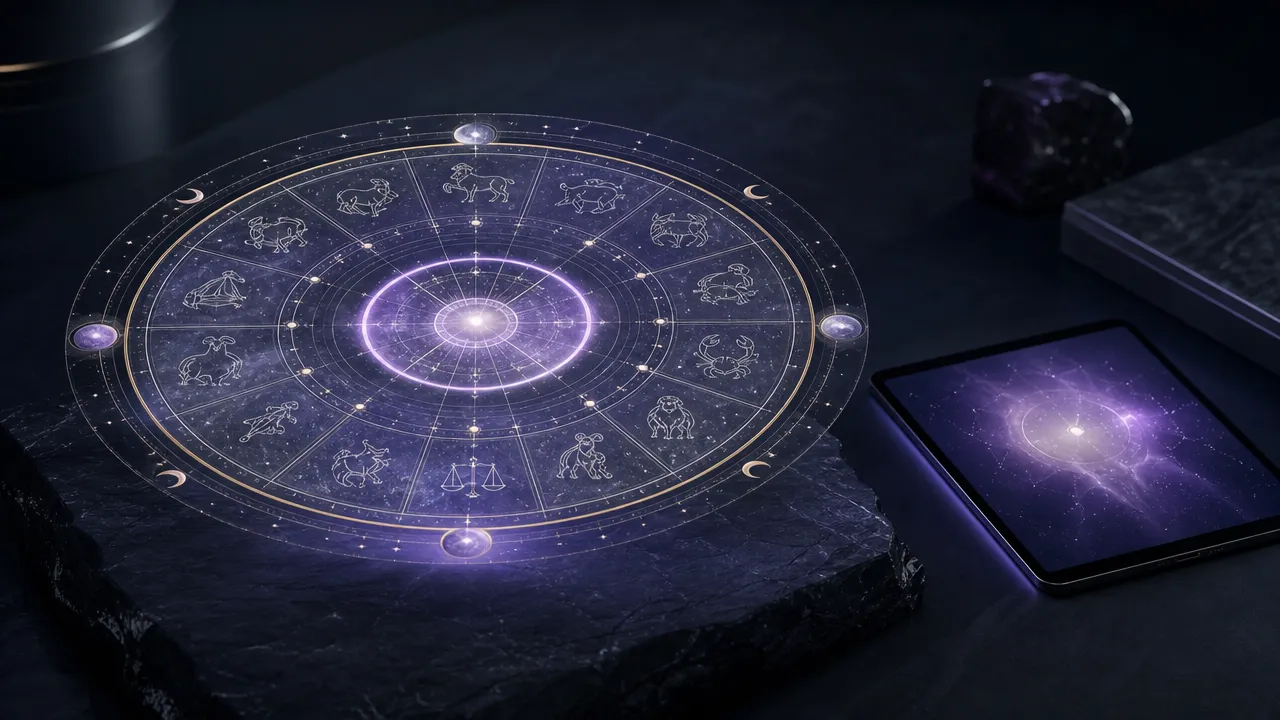
In Western astrology, the zodiac is a circle divided into 12 equal sections called signs. This circle follows the sun’s apparent yearly path across the sky, known as the ecliptic. Each section carries a name, symbol, element, modality, and set of themes. Your sun sign is based on the section the sun occupied at your exact time of birth.
A zodiac sign is not the same as a horoscope. A sign is one part of the astrological system. A horoscope is an interpretation of planetary positions for a particular time, place, person, or group. The short horoscope attached to your sun sign in a magazine or app is a broad reading, while a complete birth chart uses your exact birth date, time, and location.
This guide focuses on the Western tropical zodiac. It is a different system from the Chinese zodiac, which assigns animal signs through a repeating 12-year cycle.
Astrology works best as a symbolic tool for reflection. A sign can suggest patterns and preferences, but it does not define your personality, predict every choice, or replace your lived experience. If you like working this way, the same principle applies to reading tarot with intuition: the system gives you language, and you supply the meaning.
The Four Zodiac Elements

Every zodiac sign belongs to one of four elements. The element describes the basic kind of energy a sign tends to express. Each group contains one cardinal, one fixed, and one mutable sign, so signs of the same element share a foundation while using it differently.
Fire signs: Aries, Leo, and Sagittarius
Fire relates to action, expression, and momentum. Fire signs often respond to life through instinct, enthusiasm, courage, and creative energy. At their best, they bring warmth and movement. Their growth work may involve pacing themselves, listening before acting, and allowing excitement to develop into sustained effort.
Earth signs: Taurus, Virgo, and Capricorn
Earth relates to stability, practicality, and material life. Earth signs often focus on what can be built, maintained, improved, or experienced through the senses. They can bring patience and sound judgment. Their growth work may involve tolerating uncertainty, making room for emotion, and remembering that not everything valuable can be measured.
Air signs: Gemini, Libra, and Aquarius
Air relates to ideas, communication, and connection. Air signs often process life through conversation, observation, questions, and social exchange. They can bring perspective and intellectual flexibility. Their growth work may involve staying present with feelings, moving from analysis to action, and creating space for quiet as well as stimulation.
Water signs: Cancer, Scorpio, and Pisces
Water relates to feeling, intuition, and emotional depth. Water signs often notice tone, atmosphere, unspoken needs, and meaningful emotional undercurrents. They can bring compassion and perceptiveness. Their growth work may involve maintaining boundaries, stating needs directly, and separating intuition from fear or wishful thinking.
For a closer look at how each element behaves, and why three signs sharing one element still differ, read The 4 Zodiac Elements Explained.
The 12 Zodiac Signs and Their Meanings
These summaries describe symbolic tendencies, not fixed rules. Your sun sign matters, but its expression is shaped by the rest of your birth chart, your circumstances, and your choices.
Aries: The Initiator
Core theme: Aries brings energy to beginnings and learns by taking direct action. Common strengths: courage, independence, honesty, and the ability to create momentum when others hesitate. Common growth edge: slowing down long enough to consider consequences, share the lead, and finish what the first burst of enthusiasm began. Element and modality: cardinal fire, combining initiative with instinctive expression. Aries is not simply “impatient”; its urgency often comes from sensing that a moment is ready for movement.
Taurus: The Builder
Core theme: Taurus seeks lasting value, embodied comfort, and a dependable foundation. Common strengths: patience, loyalty, practical judgment, and the ability to nurture a plan until it becomes tangible. Common growth edge: knowing when consistency has become resistance and when comfort is preventing a necessary change. Element and modality: fixed earth, joining steadiness with a strong connection to resources, the body, and the senses. Taurus is not merely “stubborn”; it often needs enough trust and evidence to change course with confidence.
Gemini: The Messenger
Core theme: Gemini gathers information, makes connections, and keeps ideas in motion. Common strengths: curiosity, adaptability, verbal skill, humor, and the ability to view a subject from more than one angle. Common growth edge: staying with one conversation, commitment, or line of thought when novelty fades. Element and modality: mutable air, combining mental flexibility with a readiness to exchange information. Gemini is not automatically “two-faced”; its changing perspective often reflects active learning and contextual thinking.
Cancer: The Nurturer
Core theme: Cancer creates emotional safety, belonging, and continuity between the past and present. Common strengths: empathy, protectiveness, memory, intuition, and attentive care for people and places that matter. Common growth edge: expressing needs plainly instead of expecting others to sense them, while protecting without controlling. Element and modality: cardinal water, bringing initiative to emotional and domestic life. Cancer is not simply “overly sensitive”; its responsiveness can be a precise awareness of atmosphere and attachment.
Leo: The Creator
Core theme: Leo develops a confident creative voice and shares warmth from the heart. Common strengths: generosity, loyalty, courage, playfulness, and the ability to help others feel seen. Common growth edge: separating healthy recognition from constant approval and allowing collaboration to strengthen personal expression. Element and modality: fixed fire, sustaining passion, identity, and creative purpose over time. Leo is not merely “attention-seeking”; the deeper need is often to contribute something personal and know it has meaning.
Virgo: The Craftsperson
Core theme: Virgo notices what can be refined, repaired, organized, or made more useful. Common strengths: discernment, reliability, practical care, craftsmanship, and close attention to details others may miss. Common growth edge: accepting “good enough,” naming personal needs, and resisting the urge to treat every uncertainty as a problem requiring correction. Element and modality: mutable earth, blending practical skill with responsiveness and adjustment. Virgo is not simply “critical”; its careful eye often comes from a genuine wish to help.
Libra: The Harmonizer
Core theme: Libra seeks balance, reciprocity, beauty, and fair exchange between people. Common strengths: diplomacy, social awareness, charm, aesthetic judgment, and the ability to understand competing viewpoints. Common growth edge: making decisions without waiting for universal agreement and addressing conflict before resentment grows beneath politeness. Element and modality: cardinal air, using ideas and conversation to initiate connection. Libra is not merely “indecisive”; it often sees consequences and perspectives that others overlook.
Scorpio: The Transformer
Core theme: Scorpio engages with trust, intimacy, power, and the changes that occur when something hidden becomes conscious. Common strengths: emotional courage, focus, resilience, loyalty, and the capacity to remain present during difficult transitions. Common growth edge: sharing vulnerability without testing others, releasing old defenses, and allowing trust to grow gradually. Element and modality: fixed water, sustaining emotional intensity and commitment. Scorpio is not simply “secretive”; privacy may function as protection while safety is being assessed.
Sagittarius: The Seeker
Core theme: Sagittarius pursues meaning, perspective, and a wider field of possibility. Common strengths: optimism, candor, humor, adventurous thinking, and the ability to connect present events with a larger principle or story. Common growth edge: balancing freedom with follow-through and speaking truth with care for timing and impact. Element and modality: mutable fire, combining enthusiasm with movement, learning, and transition. Sagittarius is not merely “afraid of commitment”; it needs commitments that leave room for growth and honesty.
Capricorn: The Strategist
Core theme: Capricorn works with responsibility, structure, time, and earned authority. Common strengths: discipline, patience, resourcefulness, sound boundaries, and the ability to make steady progress toward a demanding goal. Common growth edge: resting without guilt, asking for support, and valuing emotional fulfillment alongside achievement. Element and modality: cardinal earth, directing practical energy toward systems and long-term results. Capricorn is not simply “cold” or career-focused; reserve may protect a deeply serious sense of care and duty.
Aquarius: The Visionary
Core theme: Aquarius questions inherited rules and imagines systems that serve a wider community. Common strengths: originality, objectivity, independence, principled thinking, and the ability to recognize patterns across groups and ideas. Common growth edge: staying emotionally present, allowing personal needs to matter, and remembering that people are more complex than theories. Element and modality: fixed air, sustaining convictions, networks, and future-minded concepts. Aquarius is not simply “detached”; distance can be a way to gain perspective or protect autonomy.
Pisces: The Mystic
Core theme: Pisces moves through imagination, compassion, intuition, and the awareness that life is deeply interconnected. Common strengths: empathy, creativity, receptivity, spiritual sensitivity, and the ability to sit with experiences that resist simple explanation. Common growth edge: establishing clear boundaries, checking assumptions, and giving inspired ideas enough structure to become real. Element and modality: mutable water, blending emotional depth with adaptation and transition. Pisces is not simply “escapist”; retreat may be a way to process an unusually rich inner world.
Cardinal, Fixed and Mutable Signs

If an element describes a sign’s basic energy, its modality describes how that sign uses the energy. The three modalities also correspond loosely to the beginning, middle, and end of each season.
Cardinal signs begin and direct
Aries, Cancer, Libra, and Capricorn are cardinal signs. They initiate movement within their elements: Aries begins through action, Cancer through care, Libra through connection, and Capricorn through structure. Cardinal energy is skilled at setting a direction. Its challenge is continuing after the opening phase or making room for other people’s methods.
Fixed signs sustain and stabilize
Taurus, Leo, Scorpio, and Aquarius are fixed signs. They concentrate and maintain the energy of their elements: Taurus preserves material stability, Leo sustains creative fire, Scorpio holds emotional focus, and Aquarius maintains ideas or collective principles. Fixed energy brings endurance and consistency. Its challenge is recognizing when loyalty to a course has become inflexibility.
Mutable signs adjust and transition
Gemini, Virgo, Sagittarius, and Pisces are mutable signs. They help energy shift from one phase to another: Gemini adapts information, Virgo adjusts practical systems, Sagittarius revises meaning through experience, and Pisces responds to emotional or imaginative currents. Mutable energy brings versatility and perspective. Its challenge is choosing a direction when many options remain possible.
No modality is better than another. Most projects and relationships need someone to begin, someone to maintain, and someone to help the situation change.
Your Sun, Moon and Rising Signs

Your sun sign is only one part of your birth chart. Three placements often serve as an accessible starting point:
- Sun sign: identity, vitality, purpose, and the direction in which you are learning to become more fully yourself.
- Moon sign: emotional needs, instinctive reactions, comfort, and what helps you feel secure and restored.
- Rising sign: the style through which you meet life, the first impression you may create, and the starting point that organizes the houses in your chart.
Your sun, moon, and rising signs may support one another or create productive tension. That complexity is one reason a person may not identify with every description of their sun sign.
If the moon placement interests you most, our beginner’s guide to moon phase magic covers how the lunar cycle shapes energy and intention through the month.
What Zodiac Signs Can Tell You About Compatibility
Zodiac compatibility describes how different styles of expression may interact. Shared elements can create familiarity: fire signs may understand one another’s drive, while earth signs may share a preference for consistency. Complementary qualities can also be helpful. One person may initiate while another sustains, or one may bring emotional insight while the other offers perspective.
Still, no pairing is automatically successful or doomed. Compatibility depends on communication, values, boundaries, timing, and the full birth charts of both people. Even a challenging connection can become supportive when both people understand the pattern and take responsibility for how they participate in it.
Bring Your Zodiac Into Everyday Life
You do not need to build your identity around a sign to enjoy a personal symbol. A zodiac candle can create a small moment of intention at the beginning or end of the day. A zodiac pendant or constellation necklace keeps the symbol close in a quieter way, while a moon-phase necklace can represent change and personal timing beyond the sun sign alone.
For something useful and easy to gift, consider a zodiac mug. Rings, tees, hoodies, totes, and sticker packs can carry the same idea in a more casual form. Choose the object that fits the recipient’s actual style instead of assuming every person born under one sign wants the same thing — the same approach we take to building a wardrobe around the dark feminine aesthetic.
Frequently Asked Questions
What are the 12 zodiac signs in order?
The 12 Western zodiac signs in order are Aries, Taurus, Gemini, Cancer, Leo, Virgo, Libra, Scorpio, Sagittarius, Capricorn, Aquarius, and Pisces. The cycle begins with Aries at the March equinox in the tropical zodiac and ends with Pisces.
How do I know my zodiac sign?
Your sun sign is usually found by matching your birthday to the standard zodiac date ranges. If you were born near the day one sign changes to another, use a reputable birth-chart calculator with your exact birth date, birth time, and birthplace because the transition can shift by year and location.
What are the four zodiac elements?
The four zodiac elements are fire, earth, air, and water. Aries, Leo, and Sagittarius are fire signs; Taurus, Virgo, and Capricorn are earth signs; Gemini, Libra, and Aquarius are air signs; and Cancer, Scorpio, and Pisces are water signs.
What is the difference between a zodiac sign and a horoscope?
A zodiac sign is one of the 12 sections of the zodiac. A horoscope is an astrological interpretation based on planetary positions for a particular time, place, person, or group. A daily sun-sign horoscope is broad, while a personal horoscope can use an entire birth chart.
What if I was born on a cusp?
“Cusp” usually means you were born near the date the sun moved from one zodiac sign to the next. The sun does not occupy two signs at once in a standard birth chart. Your exact birth time and location can confirm which sign it occupied, although nearby placements may still make the neighboring sign feel familiar.
Is my sun sign the same as my moon sign?
Not necessarily. Your sun sign is based on the sun’s position at birth, while your moon sign is based on the moon’s position. They can be the same, but they are often different because the moon moves through the zodiac much faster than the sun.